The Lowest-Priced Supplier May Be Your Most Expensive Supplier
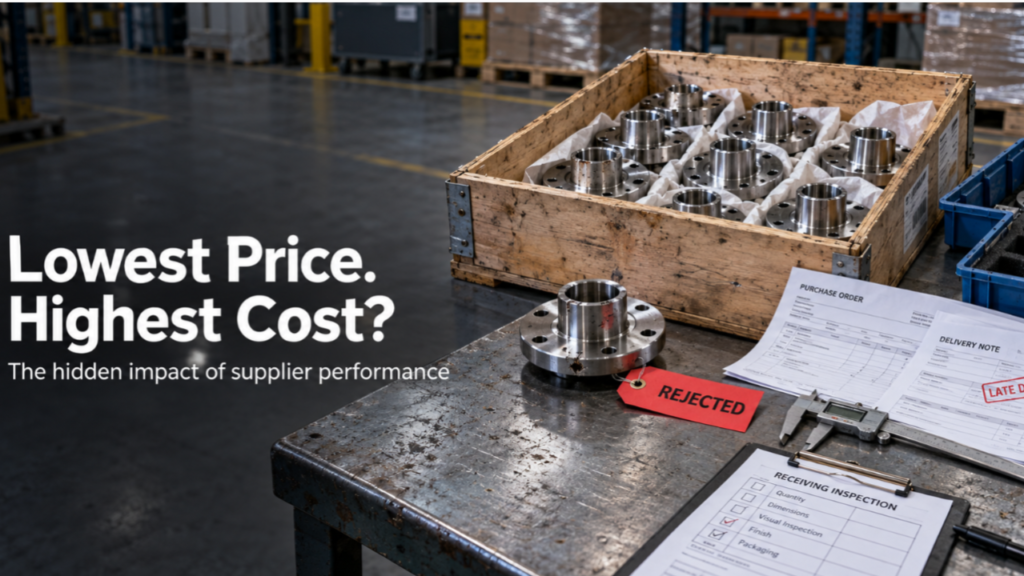
A supplier offering a lower price may deliver late, supply incorrect quantities or provide materials that repeatedly fail quality inspection. These problems can interrupt production, create urgent purchasing requirements and delay …
Too Much Inventory, Yet Production Still Stops—Why?
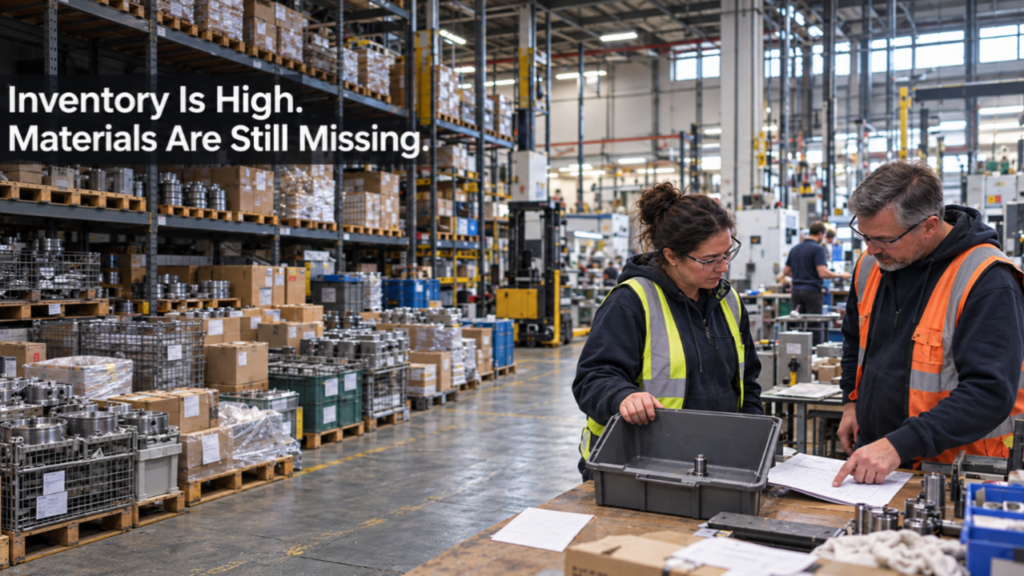
When manufacturers experience repeated shortages, the immediate response may be to purchase more materials or increase safety stock.
This can provide temporary protection, but it does not necessarily solve the underlying planning…
Your Best-Selling Product May Not Be Your Most Profitable Product

Behind every finished product is a combination of raw materials, labour, machine time, overhead, scrap, rework, storage and distribution costs. If these costs are not captured and analysed correctly, a successful product can appear more profitable than it really is.
Industrial Manufacturing Is Changing. Is Your ERP Ready?
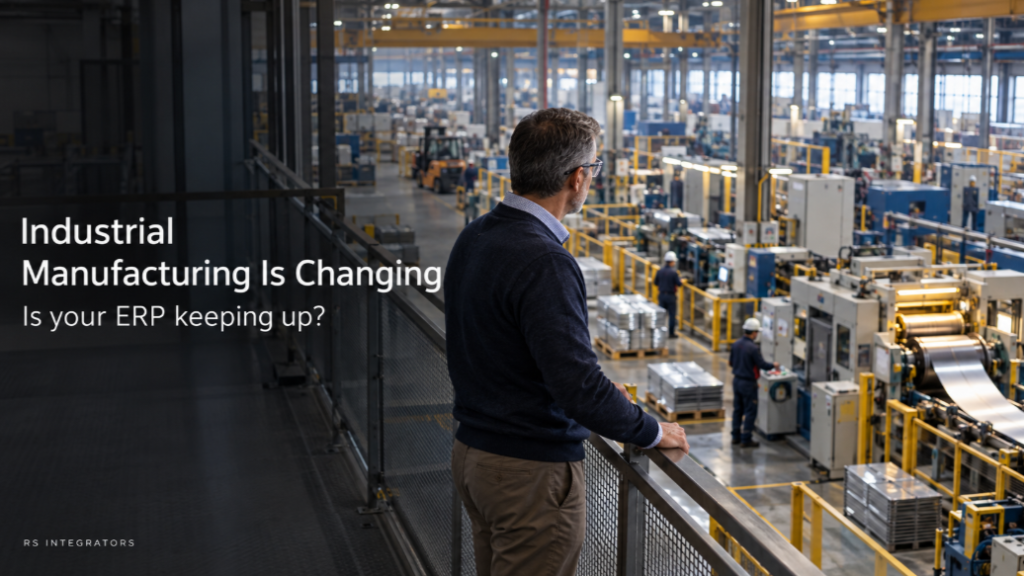
Industrial manufacturers are under pressure to accomplish several things at once: respond to supply-chain uncertainty, control production costs, improve delivery performance and introduce automation ….
Why Intercompany Reconciliation Delays the Financial Close—and How Growing Businesses Can Fix It

As organizations grow, they often add new legal entities, locations, shared-service teams and international operations.
That growth creates more transactions between companies within the same group.
One entity may supply products to another. A shared-service company may charge management or technology costs. One company may pay an expense on behalf of another. Businesses may also transfer inventory, provide services or allocate costs across multiple entities.
Before Moving to SAP S/4HANA Cloud Public Edition: 8 Readiness Questions Every Business Should Answer

Moving to SAP S/4HANA Cloud Public Edition is not simply a software upgrade.
It is an opportunity to standardize business processes, improve visibility, reduce manual work and create a more scalable foundation for growth.
Keep Your Current ERP or Move to Cloud ERP? 7 Questions to Help You Decide
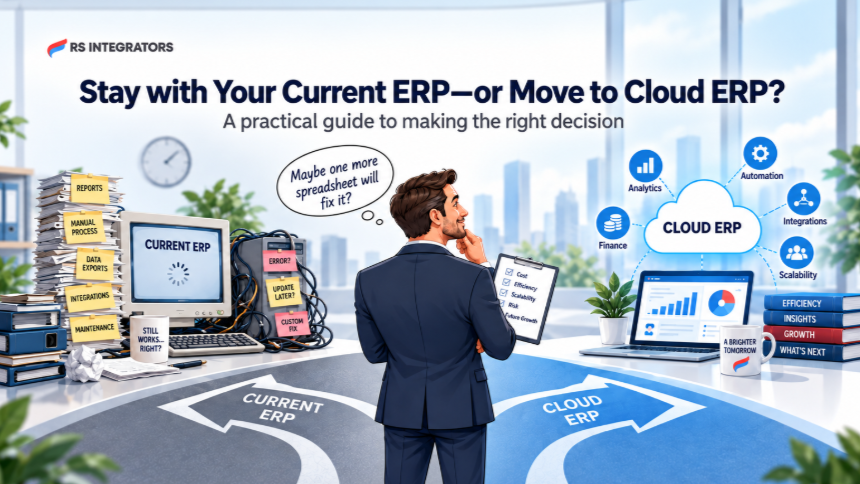
An ERP system rarely stops working overnight.
It usually continues processing transactions, generating reports and supporting daily operations. However, as the organization grows, teams may gradually begin working around the system rather than working within it.
Why PO and Non-PO Invoices Need Different Workflows
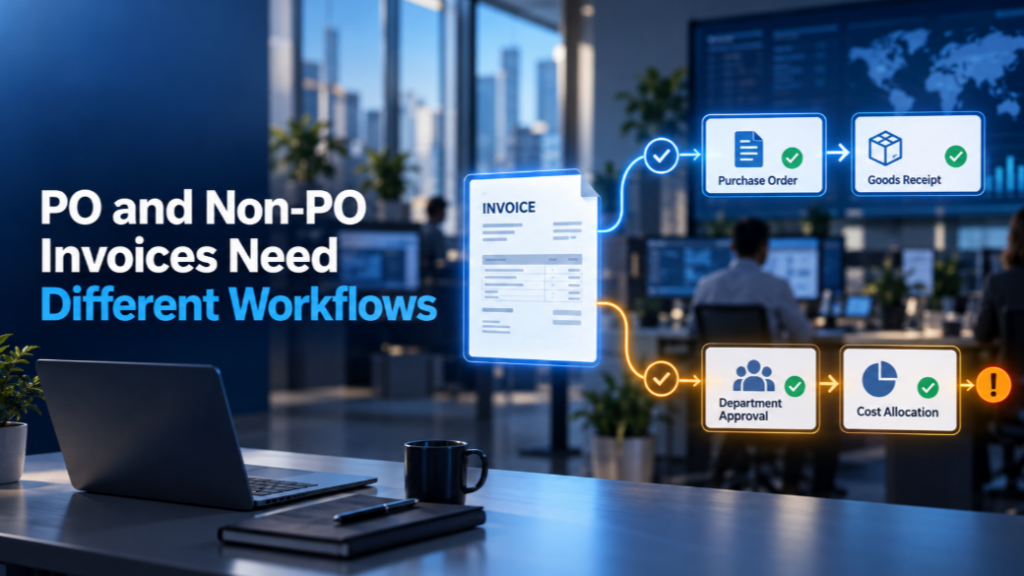
Many accounts payable problems begin with a simple assumption: every supplier invoice can follow the same process.
In reality, a PO invoice and a non-PO invoice require different checks, approvals and controls. When both are pushed through one generic workflow, the result is often delayed payments, repeated follow-ups and limited visibility into exceptions.
Your MRP Problem May Actually Be a Working-Capital and Revenue Problem
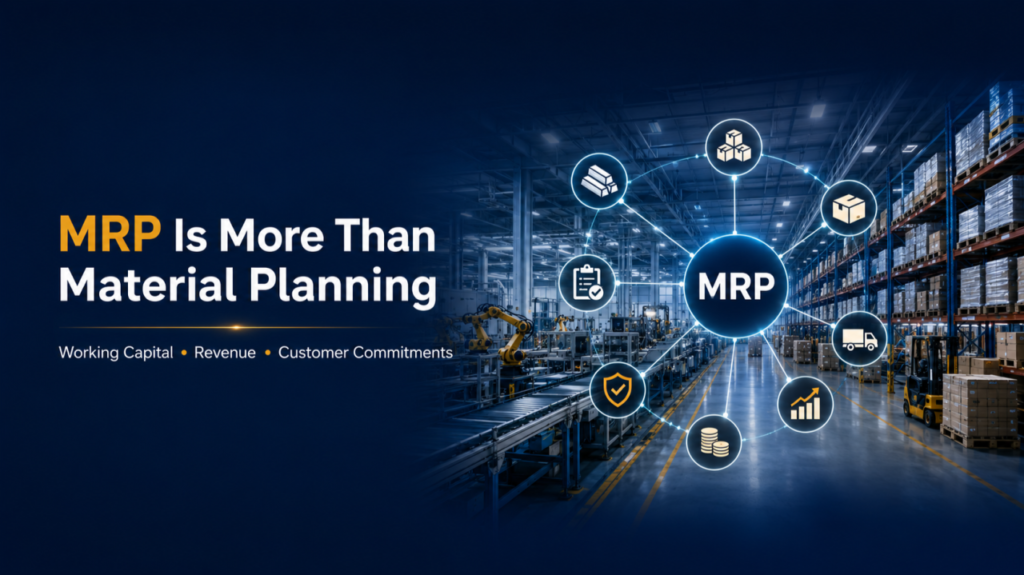
One of the biggest lessons we see in ERP transformation is that process complexity often becomes a bigger constraint than system capability.
Manufacturers that use transformation as an opportunity to standardize planning processes, simplify decision points, and establish common data models can create a much more scalable operating foundation.